

We know that all things work together for good for those who love God, who are called according to his purpose. (Romans 8:28)


Homily
The Bridegroom and the Bride - Sunday, November 8, 2026
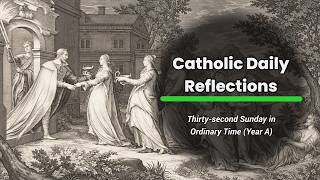
Jesus told his disciples this parable: “The kingdom of heaven will be like ten virgins who took their lamps and went out to meet the bridegroom. Five of them were foolish and five were wise.” Matthew 25:1–2
The Parable of the Ten Virgins draws on culturally familiar language and practices from first-century Israel. Understanding the wedding customs of that time sheds light on its deeper meaning.
First, the bride and groom did not choose each other. The father of the groom selected a bride for his son and spoke to the bride’s father to obtain his consent. If the bride’s father agreed, the two fathers drew up a contract, which often included a financial contribution from the groom’s family to the bride’s—both to compensate for the loss of her presence in the household and to symbolize the value the groom placed on her.
Once an agreement was reached, the bride price was paid, and a betrothal ceremony took place. During this ceremony, the bride and groom were legally bound to each other, though they would not yet live together. From that point on, the bride belonged to the groom, and the union could only be dissolved through a formal divorce. After the betrothal, the groom returned to his father’s house to prepare a place for his bride—often by building a new room onto the family home. This period of preparation could last up to a year. During that time, the bride remained in her father’s house, readying herself and awaiting the groom’s return.
When the groom had finished his preparations and received his father’s consent, he and his friends would set out to retrieve the bride. This usually happened at night, and the exact timing was unknown to the bride and her attendants. As a result, they had to remain constantly watchful. When the groom drew near, a cry would go out—often accompanied by trumpet blasts or joyful shouts—announcing his arrival. The bride, accompanied by her virgin attendants, would rise to meet him with lamps lit. Together, they would process to the groom’s house, where the door would be shut and the wedding feast would begin. The celebration itself could last several days.
It is against this backdrop that Jesus tells today’s parable. The story takes place toward the end of the betrothal period, when the groom was expected to arrive at any moment. This period of watchful anticipation symbolizes our present age, when we are already bound to Christ through Baptism. The price for our mystical marriage was the death of the Son of Man, the Bridegroom Himself. Now we must remain vigilant, anticipating His arrival.
Reflect today on the oil in your own lamp. Is it full and ready to burn brightly at a moment’s notice? Have you been attentive to the daily promptings of grace, or have you grown spiritually drowsy, distracted by worldly cares? Ask the Lord to awaken your soul, to keep you vigilant and eager for His coming, whether at the end of your life or in the quiet moments of each day. Remain watchful, and be prepared to follow Him in every moment of every day.
My Lord and Bridegroom of the Church, You call us to vigilance, so that when You come to us—whether by grace throughout the day or at the end of our lives—we may be ready to follow You into the wedding feast of Divine Union. Free me, I pray, from all complacency and spiritual sloth. Grant me instead the virtues of attentiveness and diligence, that I may respond to every graced moment with love and fidelity. May each response draw me into deeper communion with You, now and forever. Jesus, I trust in You.
Source: mycatholic.life
Share: